SERVICES
Residential Solar Project
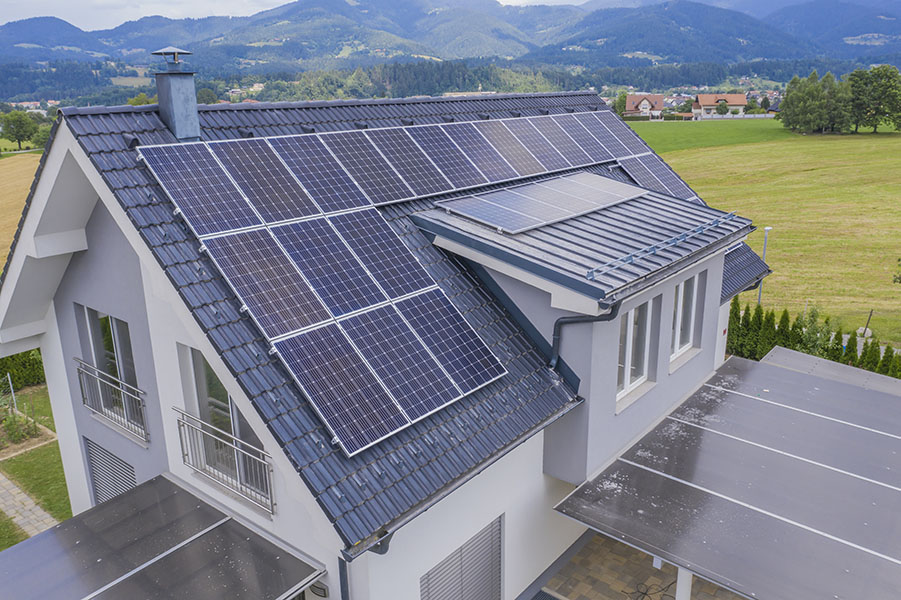
Solar projects are becoming globally cheaper and more investment-worthy while delivering greater efficiency to customers. CALICUT SOLAR TECH provides closer look at the residential Solar Project.
The residential sector is the fastest-growing solar project segment. And while going solar may still be perceived as an expensive energy solution accessible only to high income households, the most significant growth down under appears to be occurring in low- and middle-income household segments. Survey found that households equipped with solar had electricity costs 20% lower.
Solar street Light
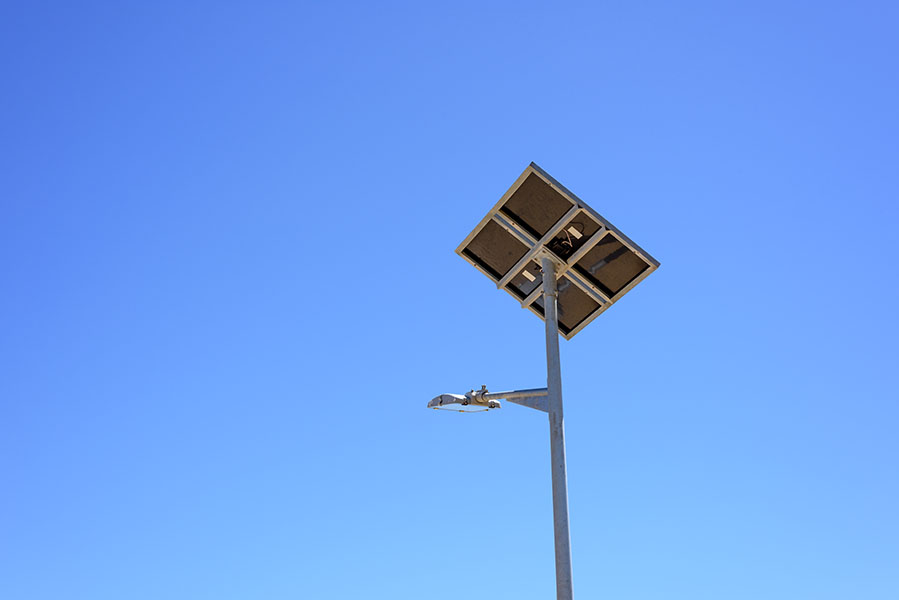
Nowadays energy sources are limited and energy consumption has increased, So renewable energy sources are used to meet the increase in the demand for energy. Keeping this in mind in this article, we are put forth a solar-powered LED street light with auto intensity control.
This project is driven by solar energy used to control the light intensity from morning to evening based on the brightness.The solar-powered street light works on the principle of solar cells or PV cells to absorb solar energy in the daytime.
The PV cells convert solar energy to the electrical energy. The converted energy is stored in the battery and the solar street lights use solar energy.
Commercial Solar Project
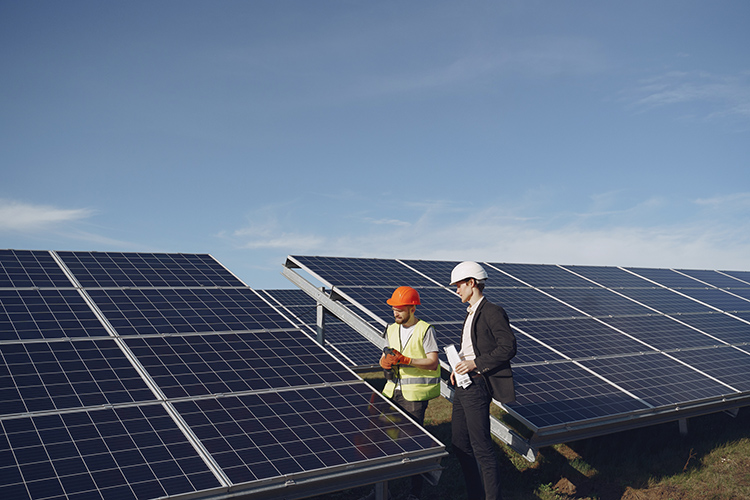
A commercial solar project involves installing solar power systems on or near commercial buildings to generate electricity, primarily for on-site use or to be fed into the grid. These systems are designed to meet the energy demands of businesses, including offices, factories, warehouses, and other commercial establishments.
Commercial solar projects are larger-scale solar power installations designed to serve the energy needs of businesses. They utilize solar panels, inverters, and other components to convert sunlight into electricity.
Solar Accessories
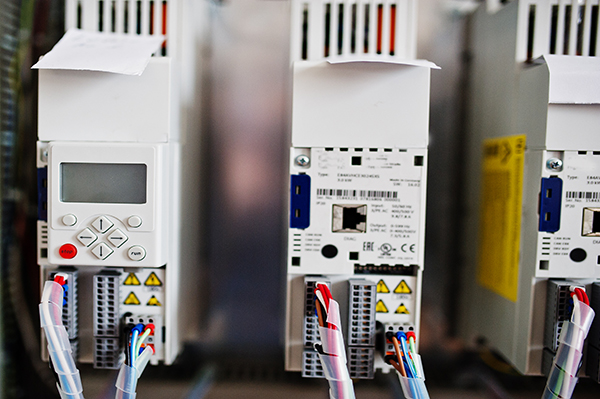
Solar accessories are components, other than solar panels and inverters, that are essential for the installation, operation, and maintenance of a solar power system.
These accessories play a crucial role in maximizing efficiency, ensuring safety, and extending the lifespan of the system.
Types of main Solar Accessories are:
- Mounting Structures
- Cables and Connectors
- Batteries
- Charge Controllers
- Inverters
- Monitoring Systems
- Junction Boxes
- Backup Generators
- Cleaning Kits
- MC4 Connectors
Hybrid Solar System
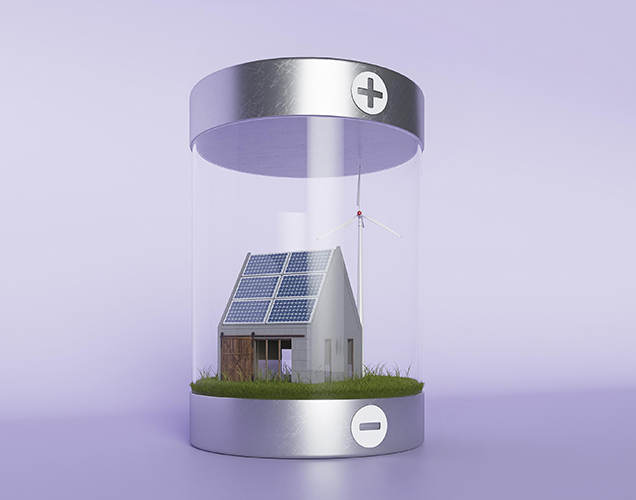
Hybrid Solar System includes solar panels, a hybrid inverter, and battery storage to create an uninterrupted energy solution. The solar panels store sunlight and convert it into electricity, while the battery storage stores excess energy for use later.
The functionality of this system starts from a Hybrid Solar Panel that helps to capture the sunlight and then convert it into DC (Direct Current) electricity. The DC electricity from the Hybrid Solar Panel is converted into AC (Alternating Current) with the help of an Inverter.
As the world is going towards renewable energy solutions, the Hybrid solar system has stood out with dual benefits as it also helps to produce solar energy and stores the excess power. These power plants help in continuous power supply and have become an ideal type for residential and commercial applications.
Solar water Heater
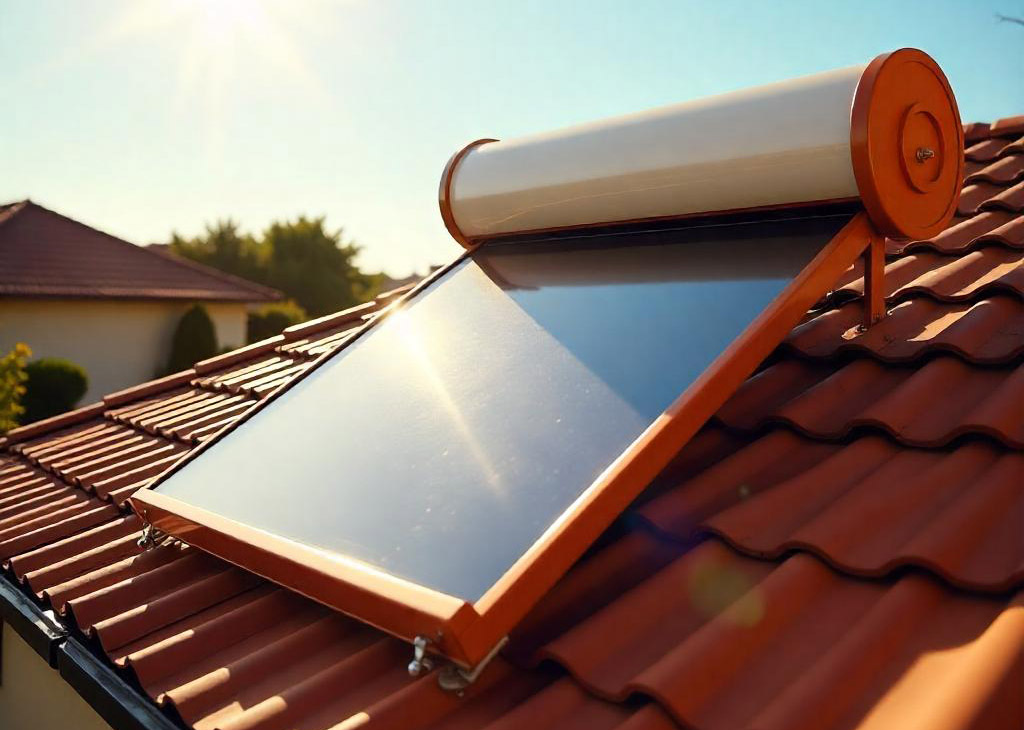
Solar water heating system is a device that heating water by using the energy from the SUN RAYS.
Solar energy (sun rays) is used for heating water. Water is easily heated to a temperature of 60-80 degree celcius.Solar water heater of Solar water heaters (SWHs) of 100-300 liters capacity are suited for domestic use. Larger systems can be used in restaurants, canteens, guest houses, hotels, hospitals etc. A 100 liters capacity SWH can replace an electric geyser for residential use and may save approximately 1500 units of electricity annually.
On Grid solar Project
An on-grid solar project (Grid-tied solar system) is a solar power system that is connected to the local electricity grid. It allows homeowners or businesses to use solar energy while still having access to the grid for backup power when solar generation is insufficient.
Excess solar energy can be fed back into the grid, potentially earning credits through net metering programs.On-grid systems are well-suited for residential and commercial buildings with access to the electricity grid and a need to reduce or eliminate electricity bills.
They are particularly beneficial for those looking to adopt renewable energy without the added cost and complexity of battery storage.